body psychotherapy
A Path Toward Deeper Balance Through the Body
Body-oriented psychotherapy that guides you toward peace, fulfilment, and personal freedom.
What Is Body-Oriented Psychotherapy?
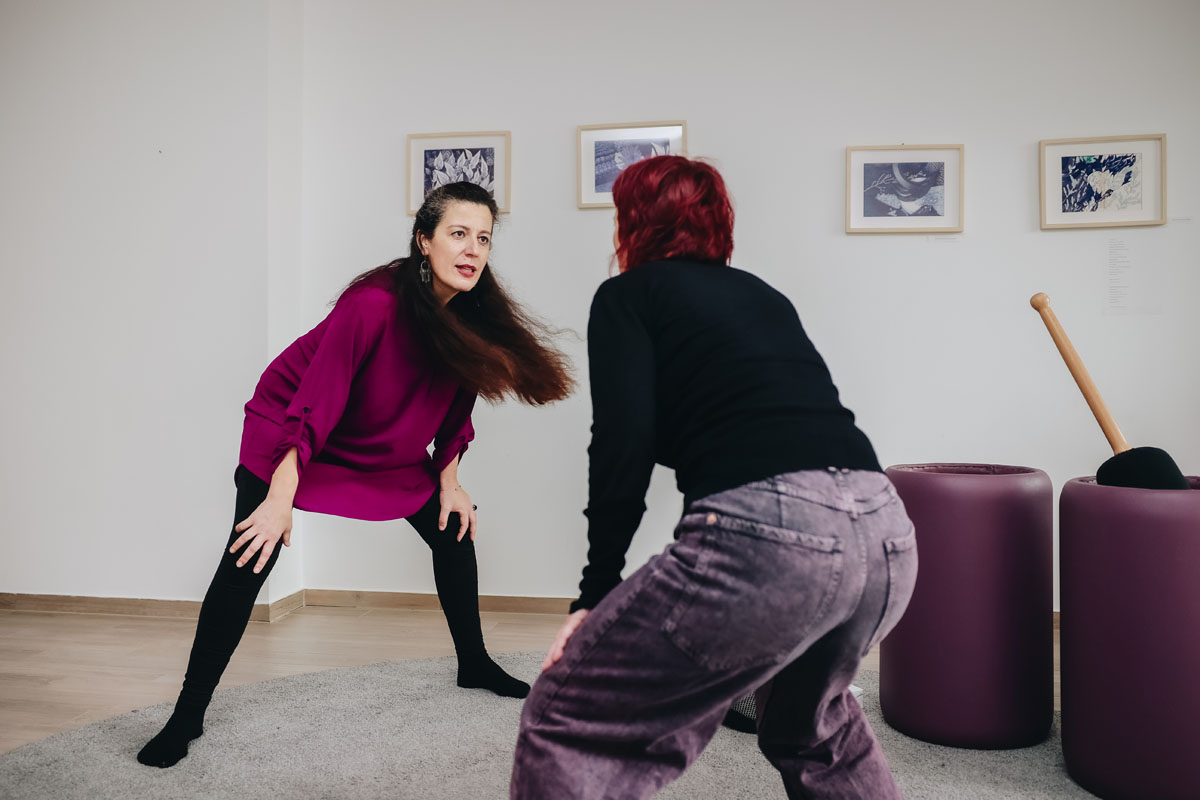
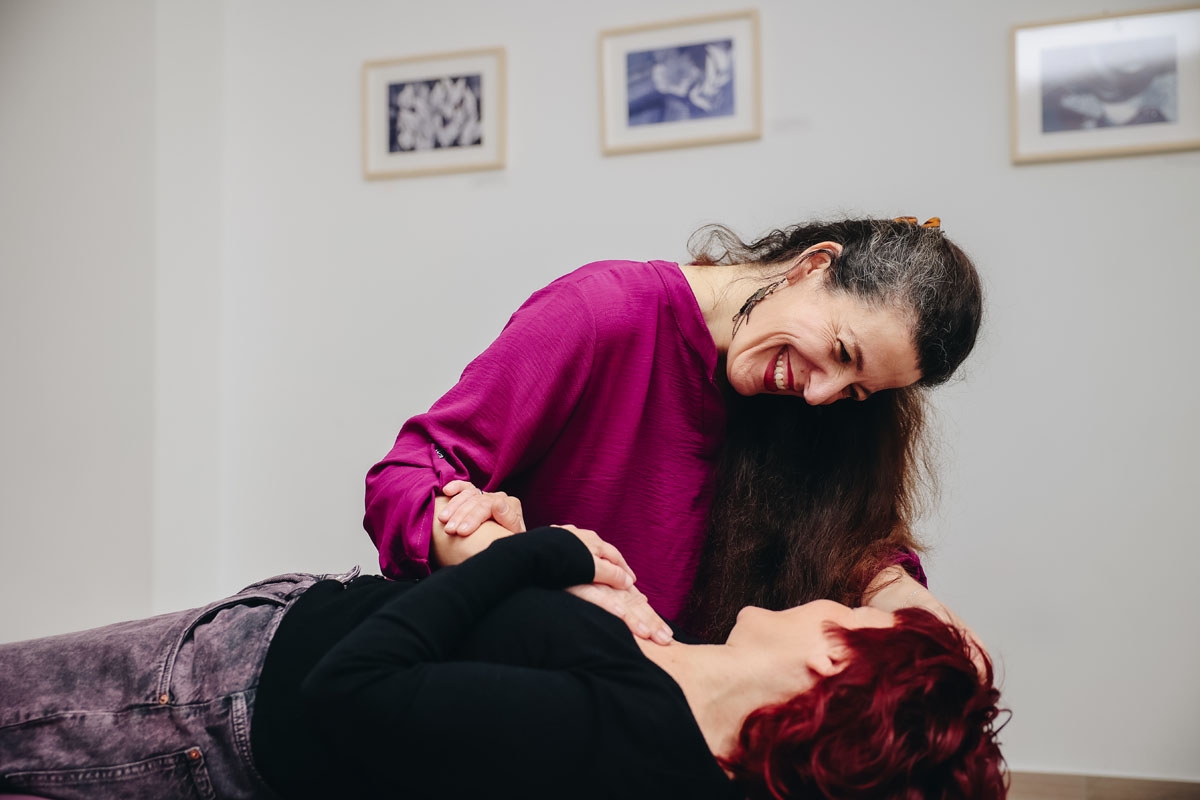
Body-oriented psychotherapy is a recognized psychotherapeutic modality that offers a holistic approach to personal development by placing the body at the centre of the psychotherapeutic process. The body carries traces of all our experiences — from conception onward — through what is known as body memory. Through working with movement, breath, voice, and physical contact, a person has the opportunity to reconnect with emotions that were suppressed or left unresolved in the past. This therapeutic approach supports the natural process of healing and integration, enabling a deeper understanding of oneself and opening space for harmony, joy, and more fulfilling relationships. It is an experiential, deeply transformative journey toward greater awareness and presence in one’s own body and life.
What Is It Used For?
Many everyday challenges — whether they involve pressure at work, tense relationships, or an inner sense of dissatisfaction — often have deeper roots in emotional and energetic blocks that accumulate in the body over time. Body psychotherapy helps us recognize and release these blocks, allowing life energy to flow more freely. This can bring a sense of relief, clarity, and greater satisfaction in everyday life.
This practice can be helpful for people experiencing emotional difficulties such as anxiety, anger, frustration, sadness, or emptiness, as well as for those struggling with various forms of addiction, eating disorders, or a sense of being lost. Working on the bodily level activates the body’s natural capacity for healing, opening space for positive change — not only psychologically, but physically as well. Including the body in the therapeutic process brings a new level of awareness and personal freedom.
Origins and Development
The CIR method was developed through the many years of experience of two therapists — Tomislav Senečić and Laszlo Pinter — who dedicated their work to body-oriented psychotherapy. Together, they founded the Centre for Integrative Development (CIR) in 2003 as the first training institute for body-oriented psychotherapy in this part of Europe. Today, it operates as an educational and therapeutic institution recognized by the European Association for Body Psychotherapy (EABP), the European Transpersonal Association (EUROTAS), the Alliance of Psychotherapy Associations of Croatia (SPUH), and the Croatian Chamber of Psychotherapists (HKPT).
How Does It Differ from Other Therapies?
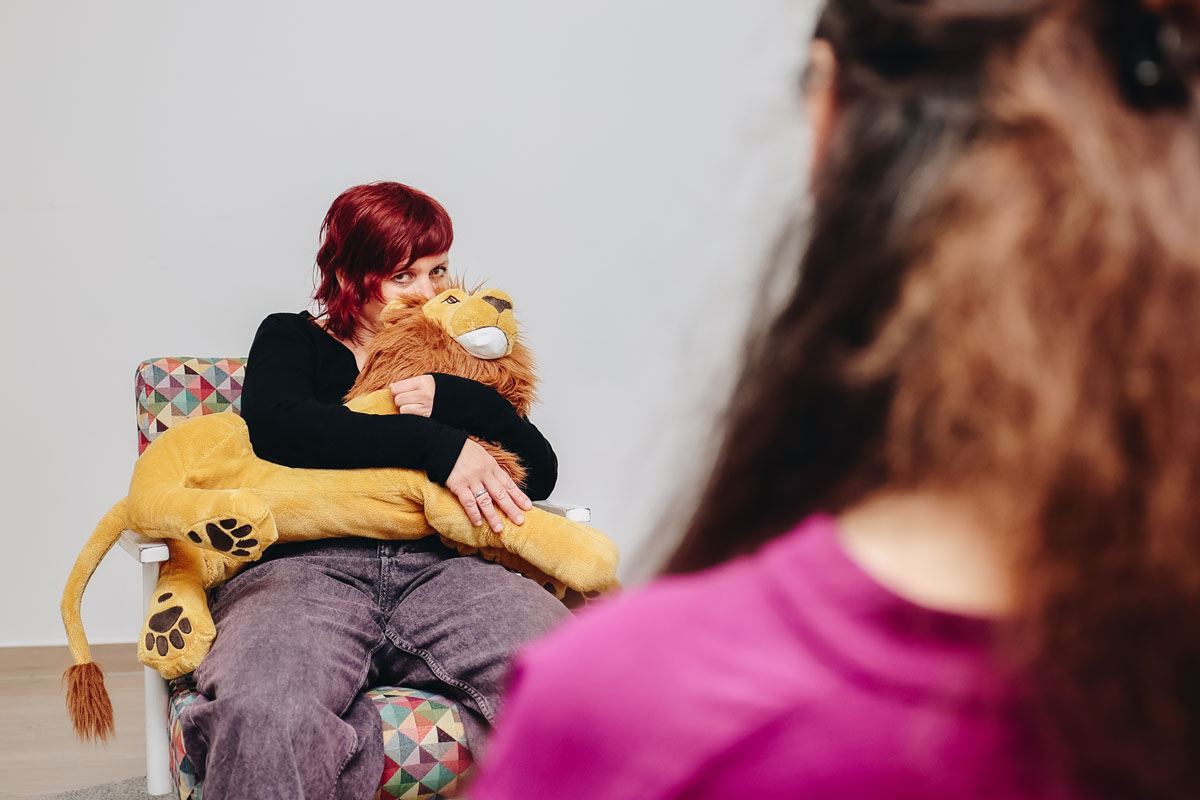
Unlike classical psychotherapeutic approaches, which often focus primarily on thoughts and verbal expression, body psychotherapy is based on the understanding that the body is the primary carrier of our experiences. The body does not forget — it remembers everything: from early experiences of attachment and trauma to emotions that were never fully expressed.
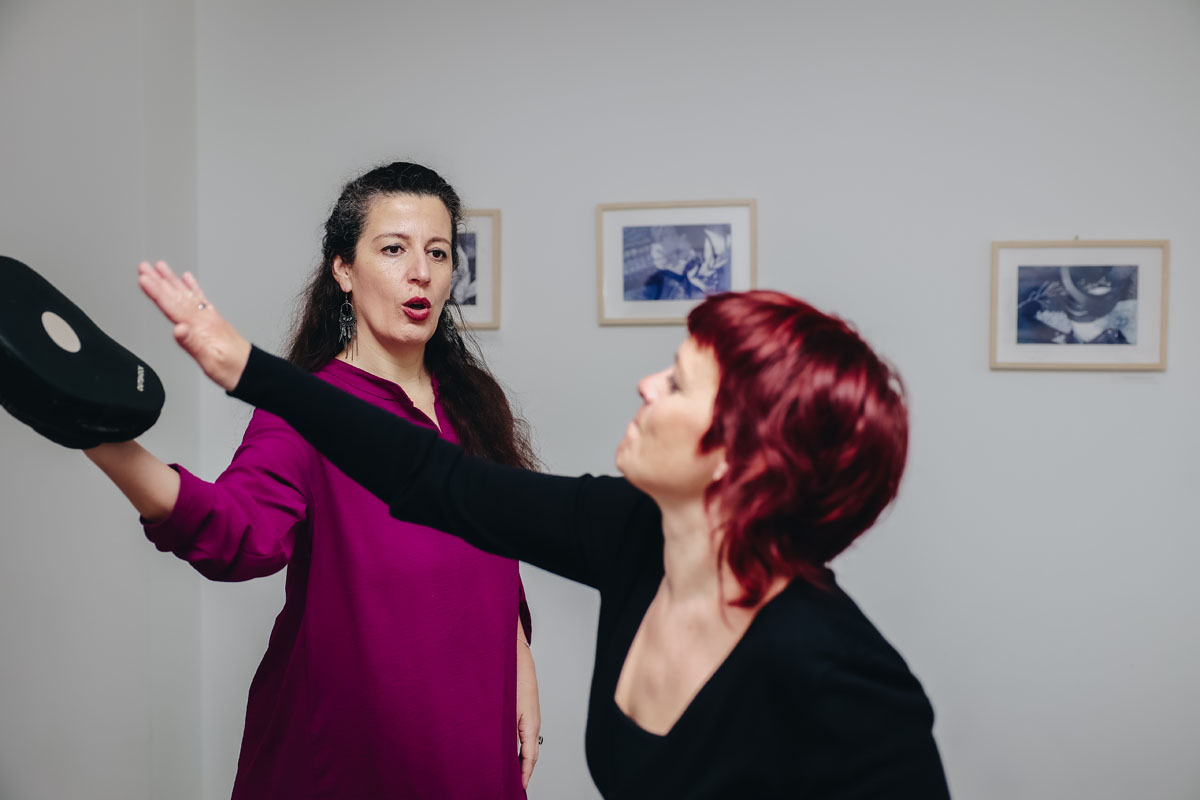
By actively engaging movement, breathing, and voice, a person has the opportunity to express what has been suppressed for years. In this way, deeper emotional catharsis and the release of energetic blocks can occur. The result is not only relief, but also a genuine change in the way we experience ourselves and the world around us. Therapy thus becomes experiential, rather than merely conversational, allowing for more authentic change and deeper integration of insights.
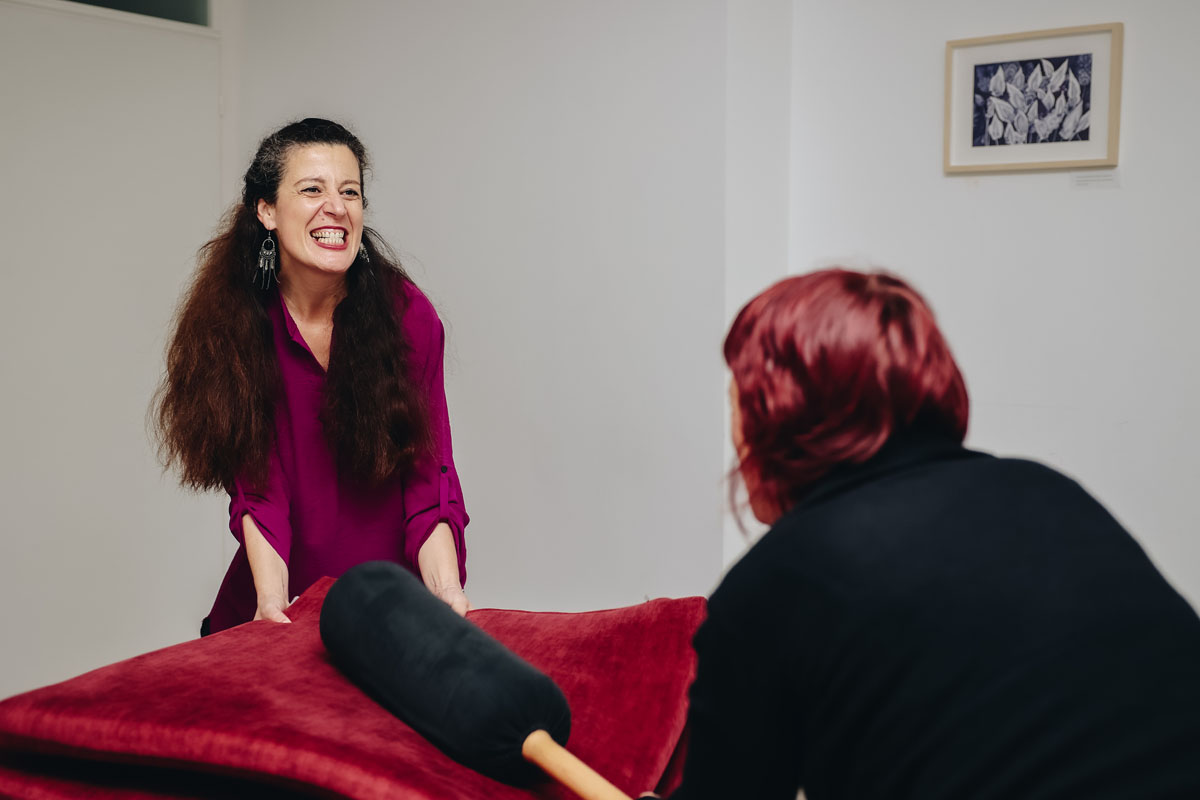
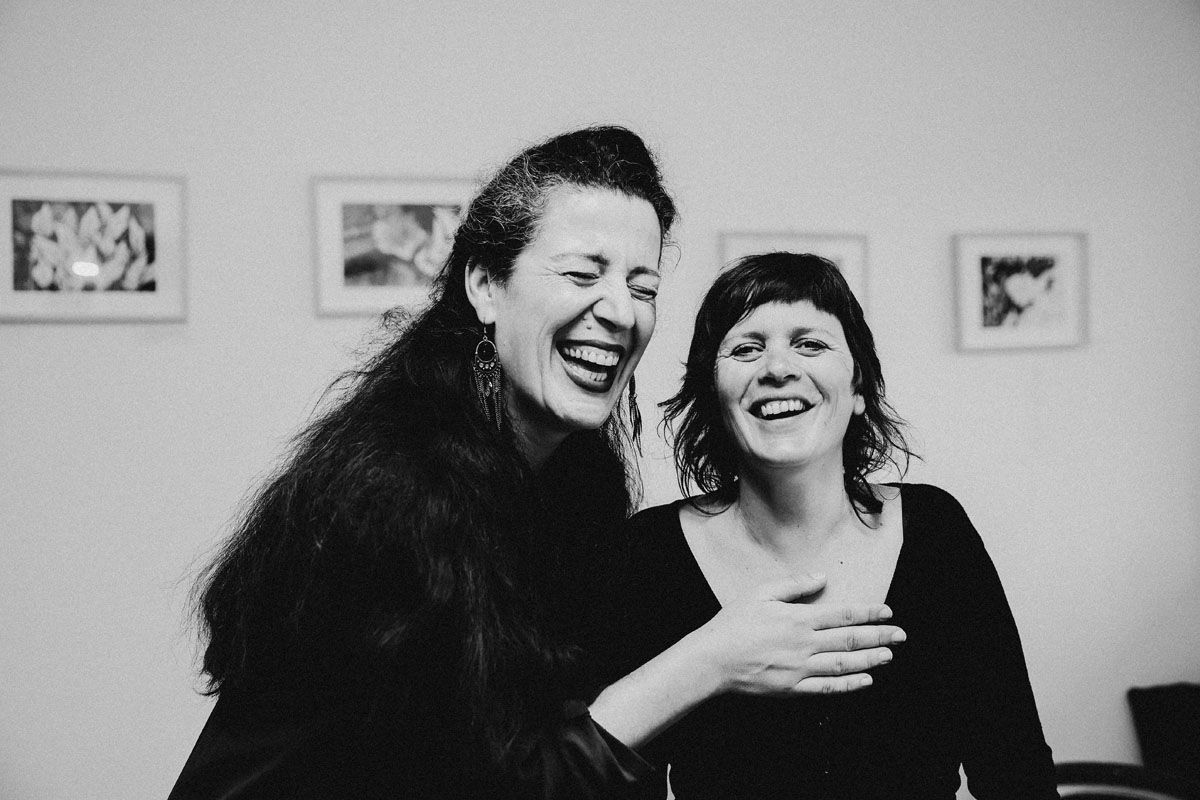
What Can You Expect in a Therapy Session?
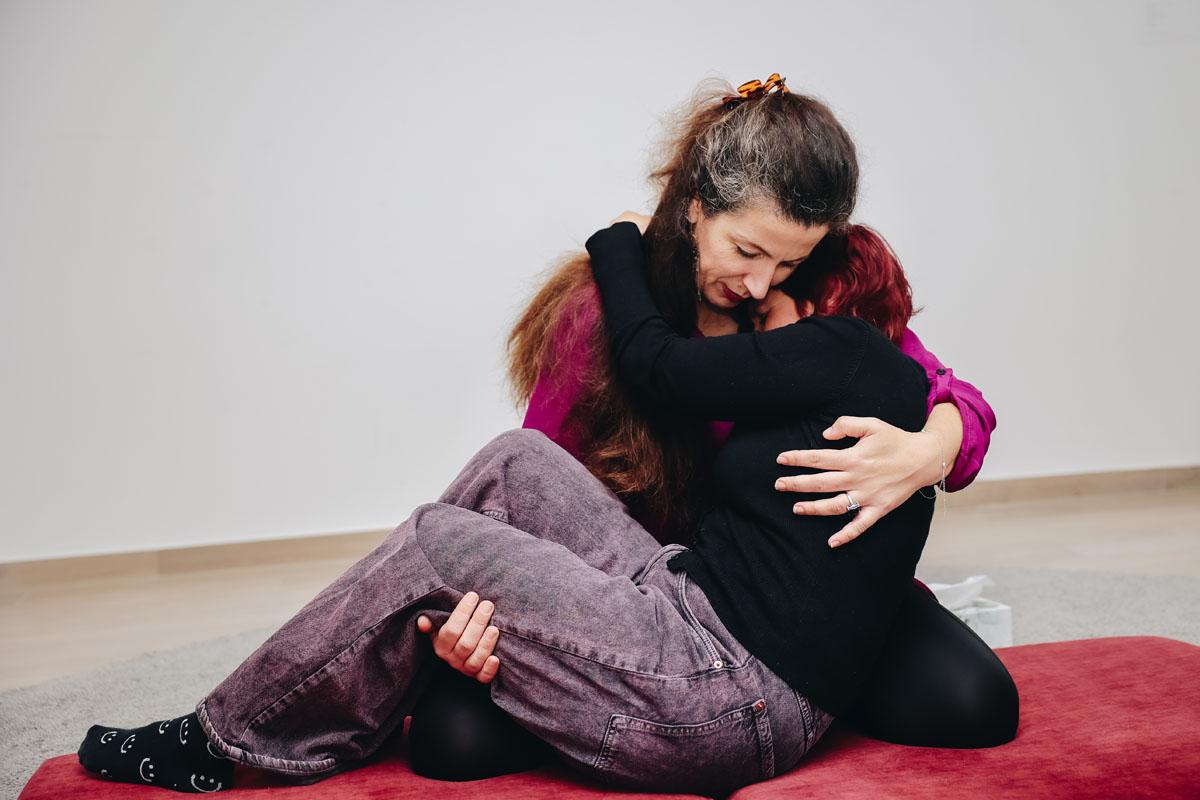
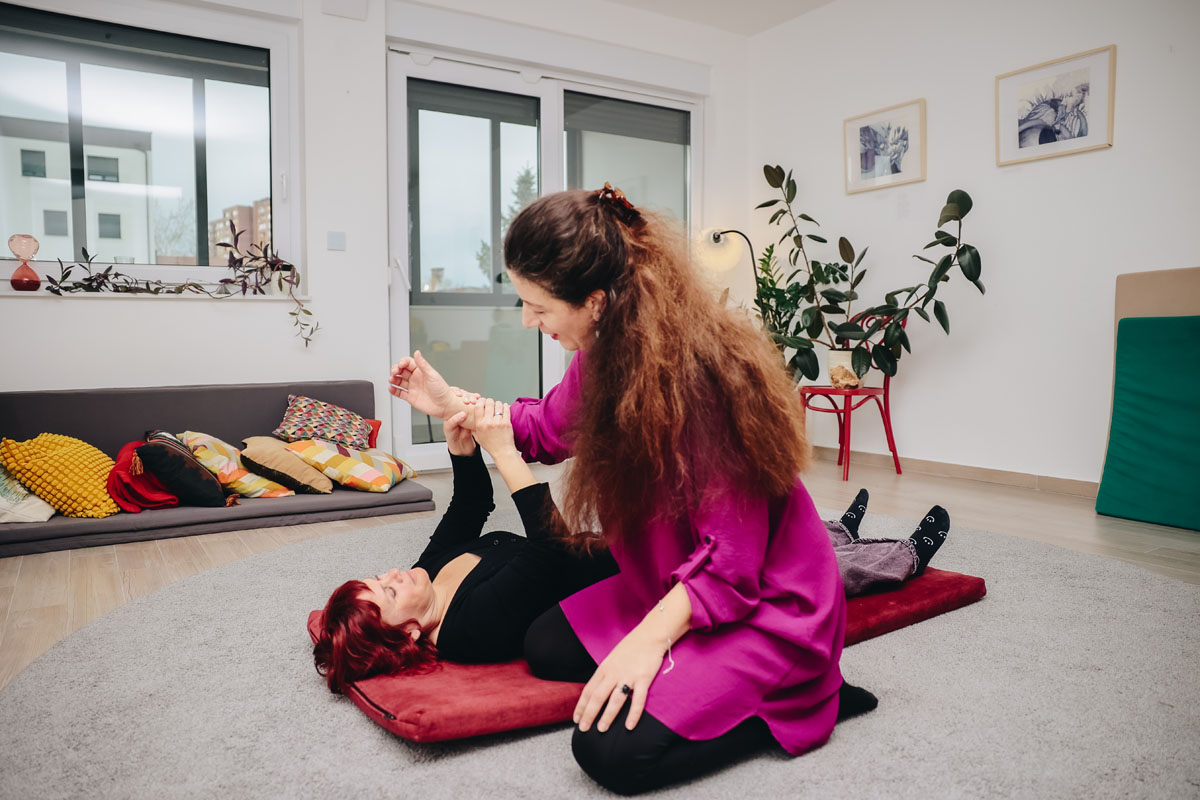
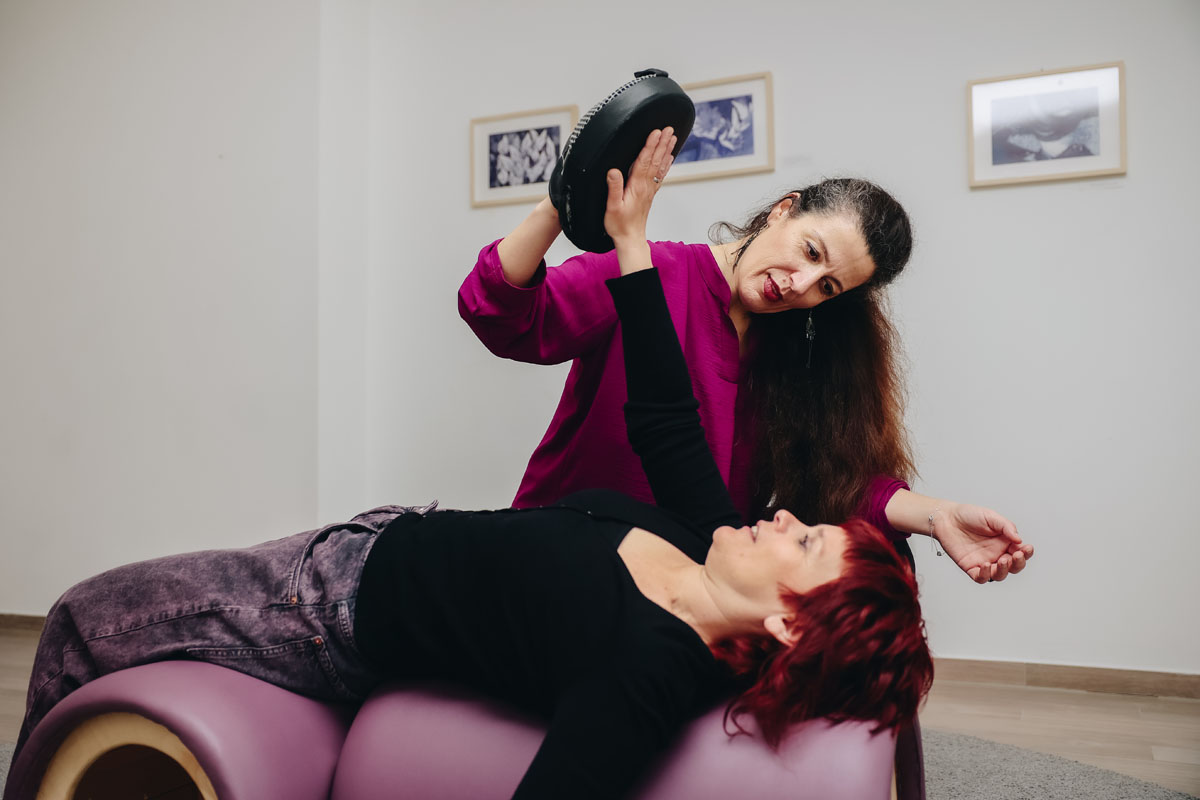
A therapy session usually lasts 60 minutes and can take place individually or in a group setting. In a safe and supportive environment, the client connects with their inner world through guided body exercises, breathwork, and vocal expression. The therapist does not impose solutions, but accompanies the client through their own processes, helping them become aware of, experience, and integrate them.
Every session is unique and adapted to the client’s current needs. Emotional releases, insights, or changes in bodily perception may arise, and sometimes a feeling of deep calm or increased energy. Over time, the client develops a deeper connection with themselves, greater resilience to stress, and improved emotional regulation.
If you feel that it is time to connect with yourself on a deeper level and release what is holding you back, I invite you to take the first step.
Get in touch through the contact form so we can arrange an individual appointment or direct you to a group programme. Begin your journey toward greater peace, freedom, and authenticity.
Frequently Asked Questions
Why would someone go to therapy?
Seeking help is often preceded by a feeling of dissatisfaction, frustration, and/or a general sense of unfulfilment in some or all areas of life. Sometimes we seek psychological help because these problems have been with us throughout our lives, and sometimes because we are going through an emotionally difficult period right now. Maybe things are going great at work, but every partner you have leaves you or cheats on you. You may have a wonderful family, yet struggle with panic attacks or fears of your own. Maybe you have a whole bunch of ideas, but cannot actually bring any of them to life, so you are chronically short of money. You are constantly rushing and never have enough time for everything, let alone yourself. You are lonely, have no friends, and perhaps feel that your life has no meaning. You have outbursts of anger and cannot control them. Or perhaps you simply feel stuck in something.
These are some of the reasons why people seek help. Most of them are not any kind of “special” problems — on the contrary, they are very common and deeply human. Yet precisely because we consider them so “normal,” seeking professional help is often labelled as “being crazy.”
Seeking professional help is nothing to be ashamed of, even though our society often treats it that way. On the contrary, it is a sign of courage and maturity to decide to do something about yourself and your life.
Is this the kind of therapy where I lie down and talk while the therapist sits behind me and writes? How can talking alone help me?
In some practices, that is what therapy looks like, but not in this one. Talking is necessary, but the key difference that distinguishes body-oriented psychotherapy is the inclusion of the body in the process itself. In other words, you move your body, use your voice and breath, and, with the support and presence of a trained professional, allow processes that could not be expressed in everyday life to move through the body. In this way, you release your body from congested, blocked energy, which in turn can lead to a greater sense of freedom and aliveness. It is like cleaning a chimney. You want your chimney to be clear so that toxic and unnecessary gases can escape and you can enjoy the warmth and safety of your home, don’t you?
In this practice, talking serves to connect the experience of the process not only on the emotional and bodily levels, but also on the mental level. If the mind already knew the solution, it would have found it long ago.
I am not crazy. I don't need a psychiatrist.
This is not a substitute for medical treatment, and no one other than a doctor is permitted to prescribe medication. This practice has its limitations, and one of them is that it cannot help people who are only able to function relatively well in life with the help of medication. If seeking help when life is difficult — because we have problems at work, in the family, or in a relationship, or because we are going through a difficult period — is madness, then if that is what “being crazy” means, I personally would rather be “crazy” than continue suffering from dissatisfaction with my life because of it.
It costs money.
And how much do anti-anxiety pills, days of frustration, arguments, dissatisfaction at work or in a relationship cost you? And I don’t mean money. We spend money on regular physical hygiene. We regularly put fuel in our cars; otherwise, they won’t take us anywhere. No fuel, no energy. Every year we invest in our cars and their inspections because we know we cannot take an unsafe vehicle onto the road. We could hurt someone or ourselves. Aren’t you, in some way, hurting yourself by constantly exhausting yourself emotionally? Why should caring for our soul and our emotions be any less important?
After all, by working on yourself, you may ultimately save money on coffee, cigarettes, alcohol, shopping, and all those things you may have been using to temporarily soothe yourself.
Why is it called integrative therapy, and how does it actually work?
To integrate means to “connect,” to bring something back together into a whole. This approach sees a person as a physical, emotional, mental, and spiritual being, and considers harmony among all these aspects to be what creates fulfilment and what we call happiness. One of the aims of this practice is to achieve that harmony.
On the other hand, if we neglect any of these four aspects of ourselves, or reject and deny a part of who we are, our personality is no longer whole. Have you ever seen someone angrily shouting at another person, “I never yell! You’re the one who yells!”? That is what we are talking about. Very often, we “stick” our own characteristics that we find difficult to acknowledge onto someone else because who wants to admit they are a bad person? If I admit that I am bad, selfish, jealous, that I cheat, lie, or steal — no one will love me. This is what it means to reject parts of our personality.
This approach works on bringing those rejected parts of ourselves back, because ultimately, we are all human, we are all imperfect, we are all flesh and blood. And just as we are, we deserve love and acceptance.
This practice places the body at the centre because it has been present in everything that has happened to us from the moment of conception. We call this body memory. We do not remember the first year of our lives because our brains were not yet sufficiently developed, but the body remembers. That is why the body is our map, our guide, and the path along which we walk.
For many people, the body is simply a machine that takes us from one place to another, performs tasks, takes in fuel, and resets at night… At the same time, the body is also home to all our dreams, feelings, and attitudes. When we are in love, we feel butterflies in our stomach; when we are afraid, our legs “turn to jelly” — our entire wonderful and frightening past has been experienced through this body.
Just as looking at old photographs brings back memories, a smell can remind us of a past experience, and hearing a song we have not heard in years can immediately take us back to an earlier event… the body takes us into the past while simultaneously being here and now. It has never left us.
What qualifies me to work with you?
Whether I am the right person for you, neither you nor I can know yet — we first need to meet. However, when it comes to my professional education, here is what I can tell you. I graduated in Theatre Directing and Radio Production and have been working in the arts for almost 30 years. For just as long, I have also worked as a drama educator with people of all ages, which I love because I use a variety of artistic tools and knowledge to help participants develop themselves through play. In other words, I use art as a means of personal development.
I am also a body-oriented psychotherapy counsellor; a member of the teaching team at CIR INTP (Split and Sarajevo); and a member of the professional organizations HKPT, EABP, and EUROTAS. Part of my professional responsibility is to continue developing my skills and learning new approaches so that I can better support the people I work with.
Using acting techniques and drama-pedagogical methods, I work on developing personality, communication and expressive skills, and creativity. I have worked in cultural management and production, and as a lecturer in performing arts at the Faculty of Humanities and Social Sciences in Split. In addition to my two great loves — art and psychotherapy — I have completed training in family constellations, energy healing, tantric and shamanic practices (International School of Temple Arts).
My parents were great to me. Why do we have to talk about them only negatively?
Fortunately, most of us grow up in families where there was love, care, and attention, and where our parents loved us and truly did their best to take care of us. However, sometimes external circumstances such as a child’s or parent’s illness, poverty, war, moving, having a sibling with special needs, or a parent’s physical limitations can leave a mark on the kind of people we become, the decisions we make, and the way we create our lives. Later in life, this can result in choices and a way of living that we are not satisfied with, eventually leading us to seek professional help.
On the other hand, some of us were less fortunate and experienced childhoods marked by deeper emotional wounds or neglect, the death of a parent, alcoholism, or violence. Such people are more likely to need professional support.
What does it actually look like?
To begin, contact me to arrange a first meeting where we get to know each other and decide whether we want to continue working together. If we do, we agree on the goals and conditions of our work, and our shared journey can begin. Each session lasts 60 minutes, and the recommended frequency is at least twice a month for our work together to have an effect.
How long will the whole process take?
There is no formula for this. The answer depends on the story you bring, the goals you want to achieve, and the obstacles standing in your way. The ultimate goal is for you to stop coming — which would mean that you have grown and matured enough to create your life in a way that is more supportive and fulfilling for you.

